Henri Nouwen wrote, “When we honestly ask ourselves which person in our lives means the most to us, we often find that it is those who, instead of giving advice, solutions, or cures, have chosen rather to share our pain and touch our wounds with a warm and tender hand. The friend who can be silent with us in a moment of despair or confusion, who can stay with us in an hour of grief and bereavement, who can tolerate not knowing, not curing, not healing and face with us the reality of our powerlessness, that is a friend who cares.”
I was confused when reading this quote. I thought true friendship was much more than that, for sure a lot more action! After being involved with humanitarian work for years, my natural inclination is to intervene practically whenever I’m faced with a needy situation. I’ve taught countless volunteers, held seminars, and sent out mailings, all extolling the value of giving and doing. Love in action!
It took me a while to finally understand the meaning of what Henri Nouwen was saying. I recalled my first trip to war-torn Mostar. I only knew a few words in the local language, so I accompanied some veteran volunteers as they distributed food. We entered many households touched by grief. I was shocked, as it was the first time I had visited a place devastated by war. A friend was kindly giving me a running translation of the conversations going on.
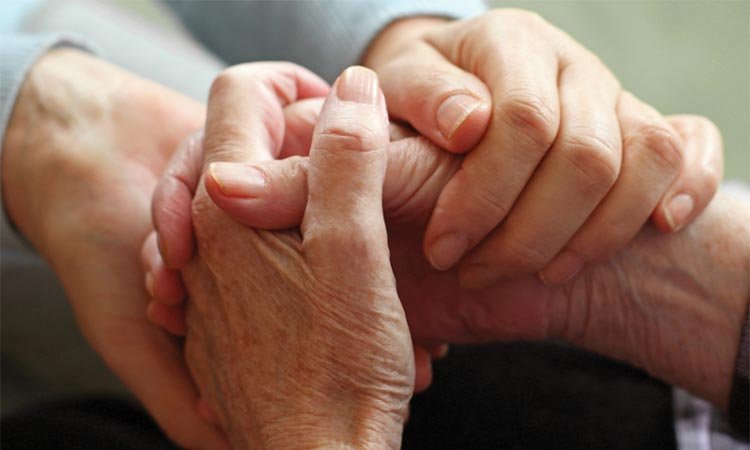
I was on the verge of crying when an elderly lady, whose legs were wounded by shrapnel, took my hands and began telling me her troubles. She talked and talked. I just listened. I didn’t understand anything since my translator was busy elsewhere. At the end, she thanked me profusely and we embraced and both cried.
That was an unforgettable experience, and not the only one of that kind.
The young people I train are faced with the same predicament as me on that first visit to Mostar. They don’t know the language, they feel helpless and uncomfortable, and I tell them: “Don’t worry, just be there. Hold their hand, look at the person with love and compassion, and listen. Listen and cry with them.”
Now I speak the local language and I help in different ways. But it all started in that simple way, which is still effective today. Last week, when a dear friend’s wife died suddenly in a car crash, I told him: “I have no words, I’m just crying with you. Come. My house is your house.”